
Caring for cats
with medical challenges
At our shelter, we care for cats facing a wide range of health challenges. Working closely with our local veterinarians, we ensure every cat receives the treatment they need — from viral infections and eye issues to fungal problems and open wounds. With medication, antibiotics, and careful wound care, we give each cat the best chance to recover and thrive.On this page, you’ll find an overview of the most common medical conditions we treat and how we manage them. Please note: some content may include blood or serious injuries.What kind of medical issues?
-
Eye- and ear infections are very common among street cats and can be caused by bacteria, viruses, or injuries. Without proper care, these infections may lead to serious complications such as vision loss or balance problems. That’s why early detection and treatment are a priority at our shelter.
Every cat is thoroughly examined for issues like conjunctivitis and corneal ulcers. We also clean their ears, since ear mites and infections often occur alongside eye problems. Mites are removed with specialized drops, and infected ears are treated for about two weeks.
Treatment for eye infections may include antibiotic drops or ointments, oral medication, and in severe cases, surgery. Each cat receives daily care and monitoring to support a comfortable and successful recovery.
-
Ringworm is one of the most common medical issues we see at the shelter. This fungal infection affects a cat’s skin, hair, and nails, causing circular patches of hair loss, dry or scaly skin, irritated spots, and sometimes infected claws. Without treatment, the itching and grooming can quickly make the condition worse.
Fortunately, ringworm is fully treatable. We use a specially formulated fungal spray from a Dutch veterinarian, containing the same active ingredient found in antifungal shampoos. With consistent treatment, most cats recover within 1.5 to 2 weeks.
Because ringworm spreads easily, infected cats must stay in strict quarantine. This means extra daily care and cleaning, but it ensures the safety of the other cats and a smooth recovery for the patient.
-
We frequently treat cats with wounds from accidents or fights. One example is Gogo, a ginger cat brought to us after being hit by a vehicle. His back leg was severely injured, but with three weeks of careful wound cleaning and bandage changes every other day, he made a full recovery. He now walks normally and has been adopted into a loving home — a true testament to a cat’s resilience with proper care.
Since many of our cats enjoy spending time outdoors, they sometimes return with injuries from fights. Whether the wounds are small or serious, our team acts quickly to clean and treat them, ensuring a safe and healthy recovery so they can return to their happy lives.
-
In a shelter environment where many cats live together, respiratory infections can spread quickly. Common symptoms include sneezing, runny noses, and drooling. To prevent these illnesses from worsening, we act fast with proper treatment.
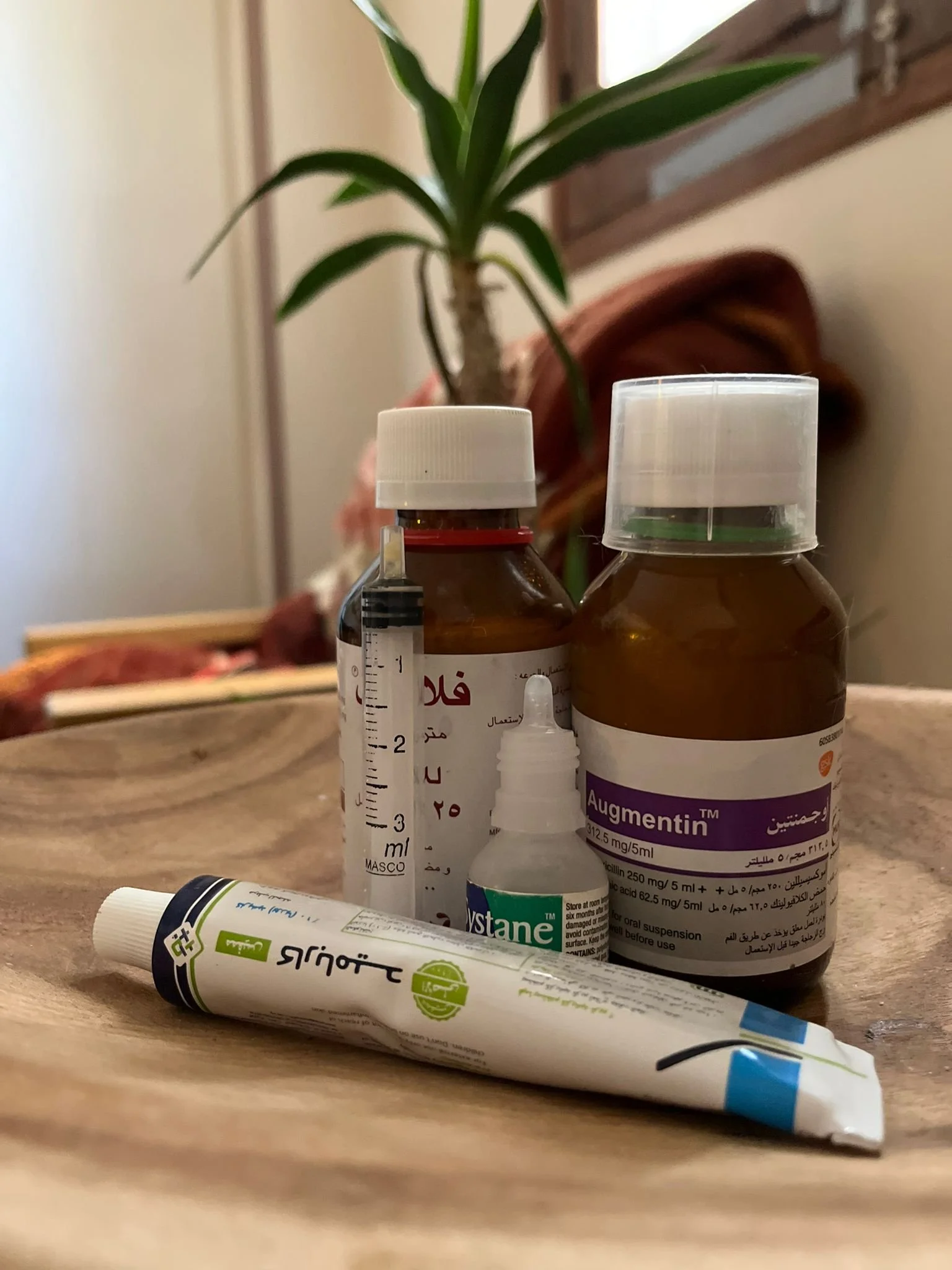
Most cats receive antibiotic syrup to address bacterial infections. For more serious cases, our medical manager administers antibiotic injections for faster recovery. Sick cats are placed in quarantine for 7 to 10 days so we can closely monitor their progress and stop the infection from spreading.
With timely care and isolation, most cats recover well and soon rejoin the rest of the shelter population.
-
We regularly care for cats with severe injuries, including accidents that result in paralysis, amputations, or damaged eyes. Cats like Hope and Pie arrived paralyzed in their back legs, while Minx and Apple each lost a limb, yet all showed incredible resilience. With surgery, pain management, physical therapy, and a calm recovery space, they slowly regain mobility and learn to adapt to their new life.
Eye injuries are also common and may be caused by accidents, infections like feline herpesvirus, or congenital defects. Some cats arrive with only one eye or require removal of a severely damaged eye. These visually impaired cats can still live happy, confident lives with proper care.
For both amputees and visually disabled cats, daily monitoring is essential. Cats with missing eyes often need hydrating eye drops to prevent pain and inflammation — as seen with Ferdinand, whose empty eye socket was severely infected when he first arrived.
These brave cats show us that with love, patience, and the right medical care, recovery and a joyful future are always possible.